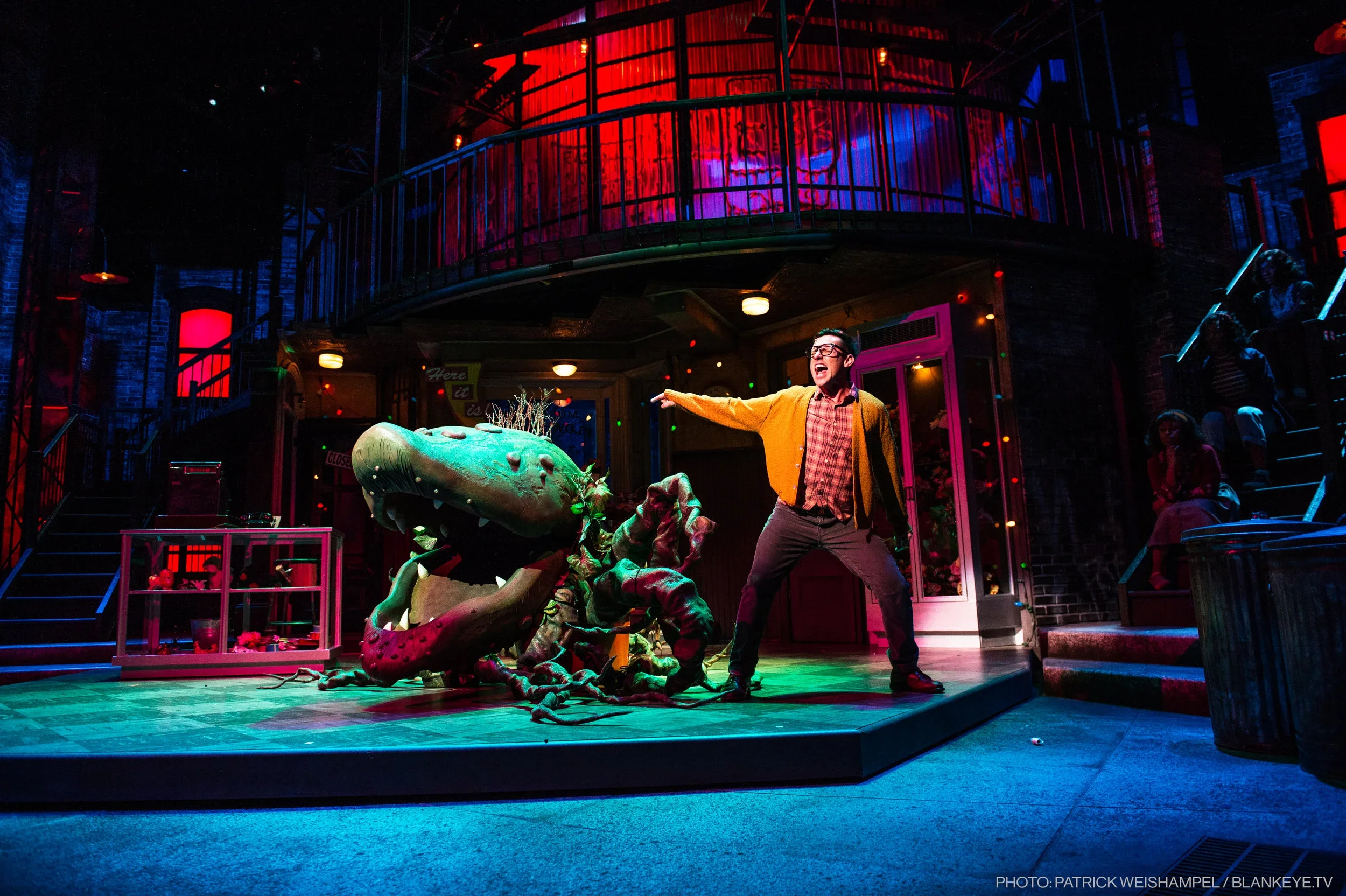
Little Shop of Horrors
Music by Alan Menken
Lyrics by Howard Ashman
Book by Howard Ashman
Co-Production: Portland Center Stage & Cincinnati Playhouse in the Park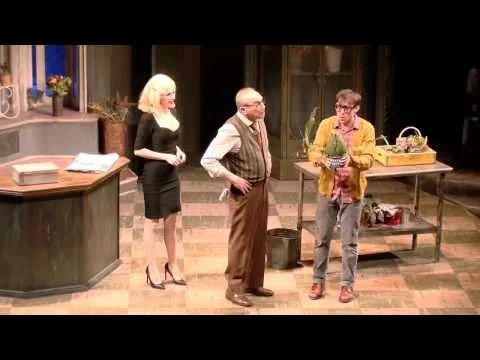
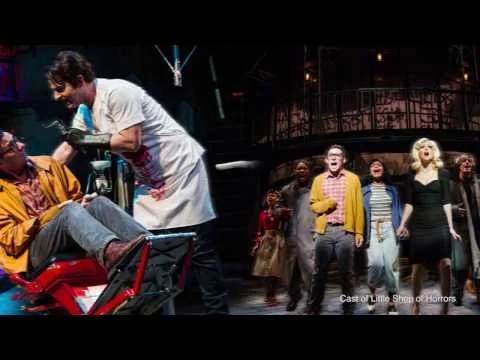

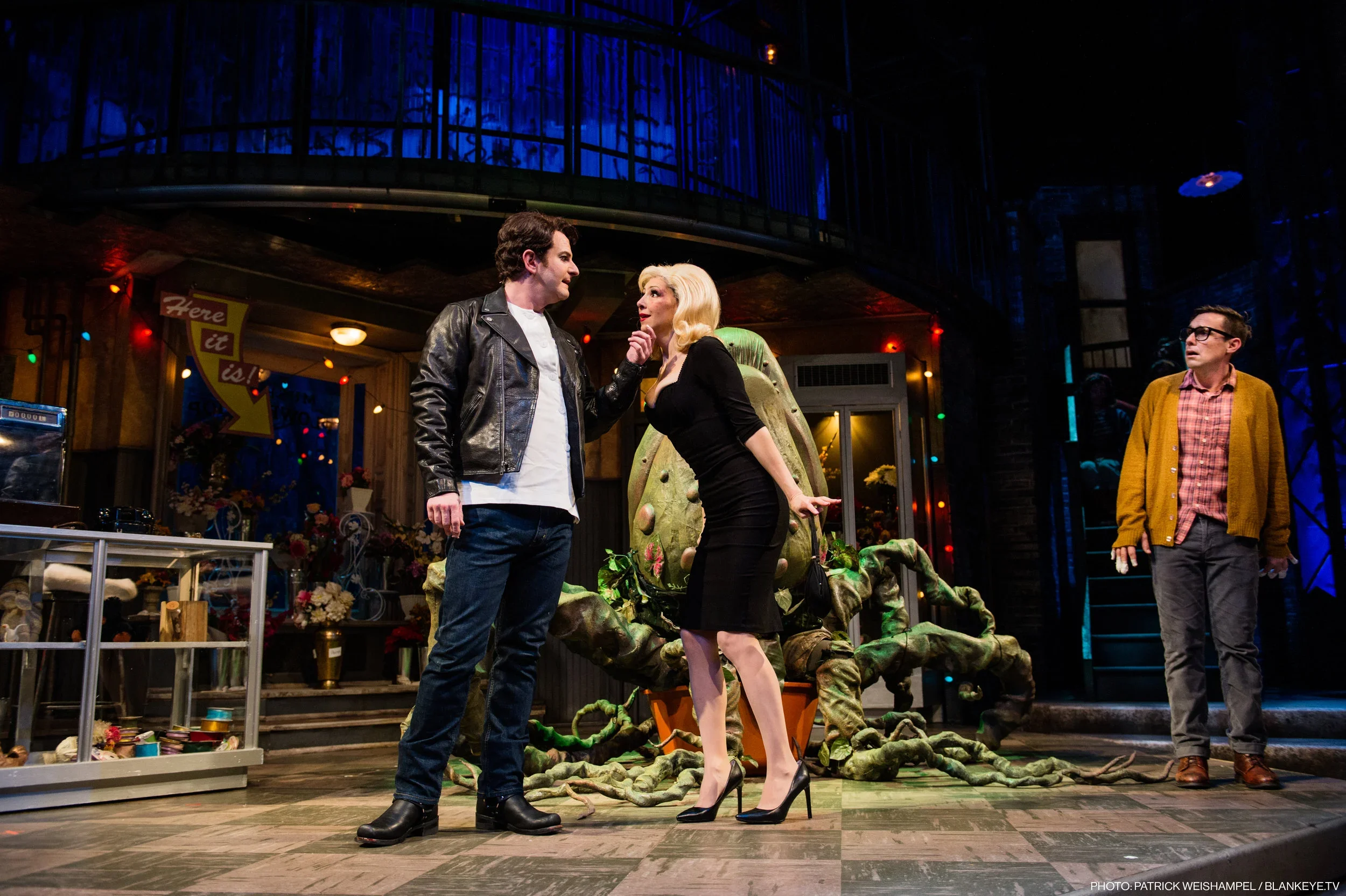
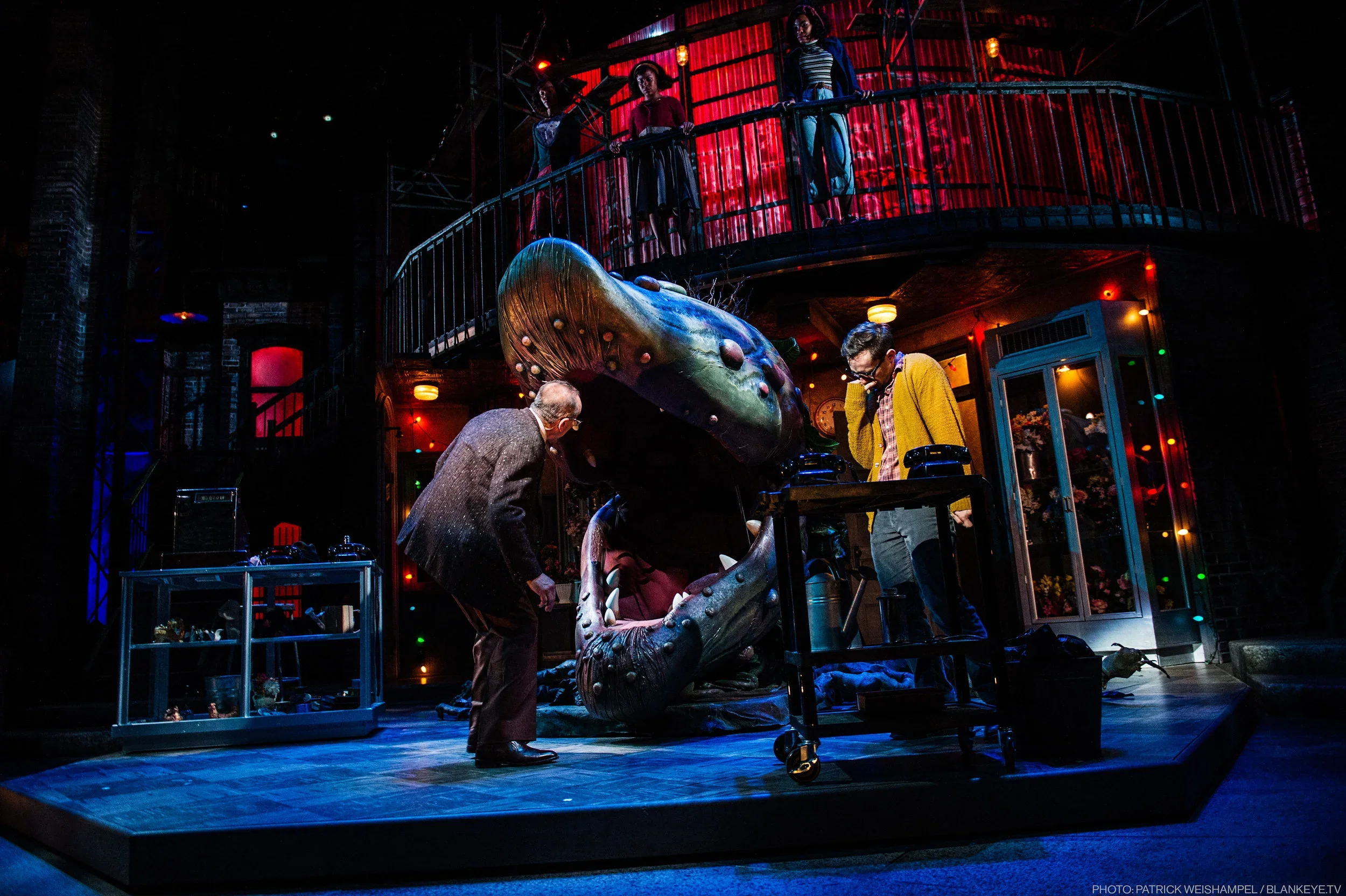
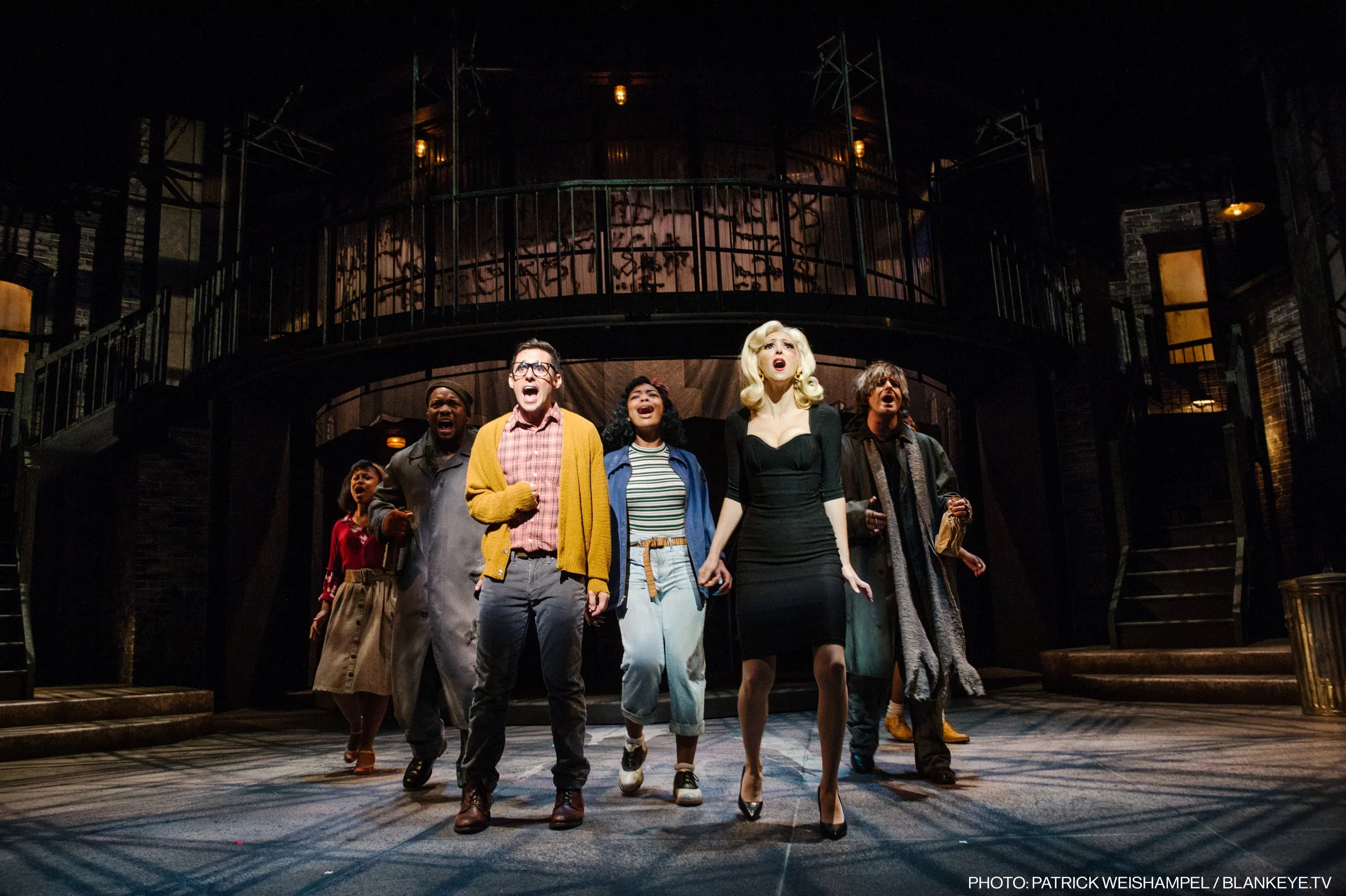
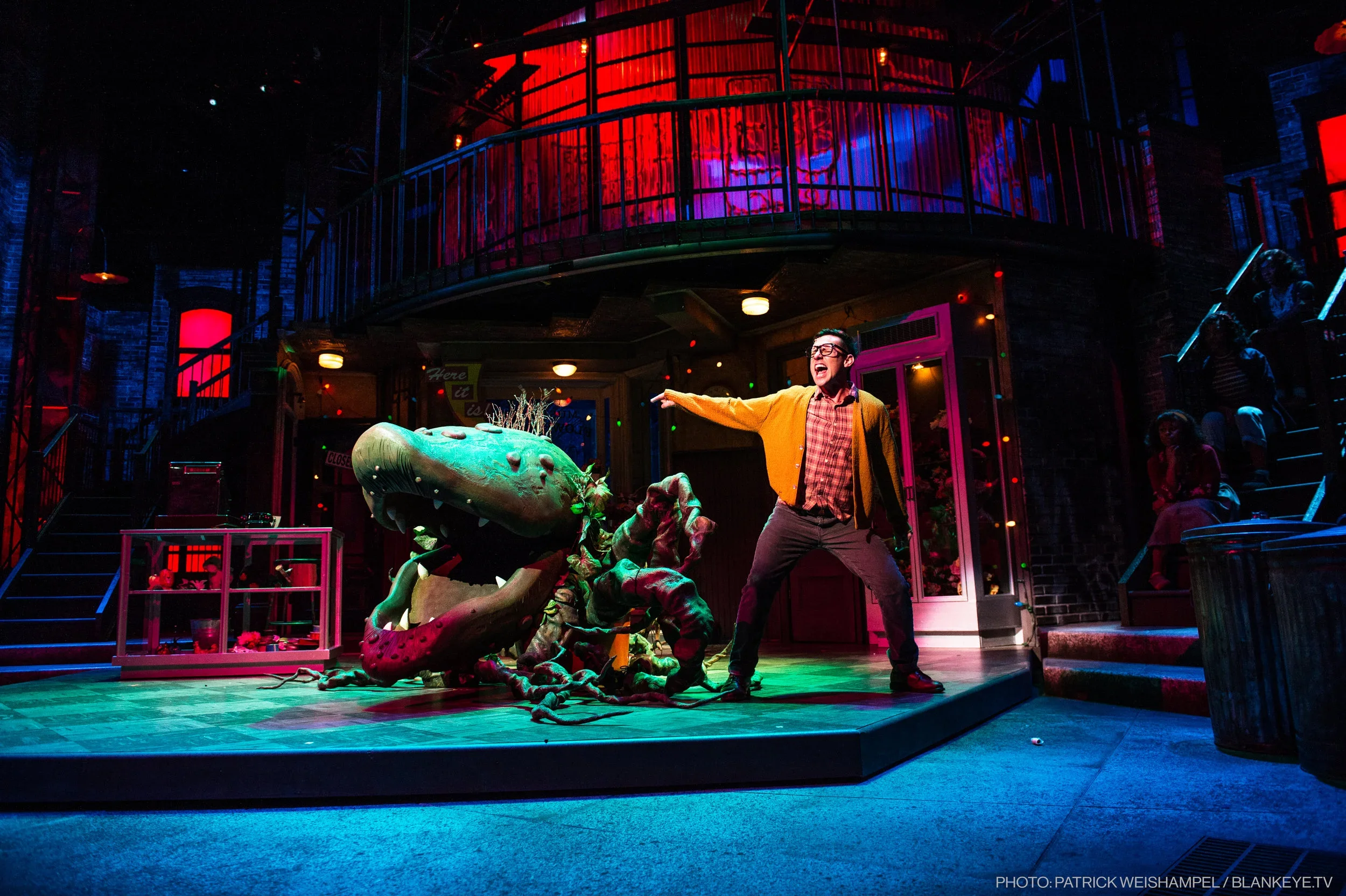
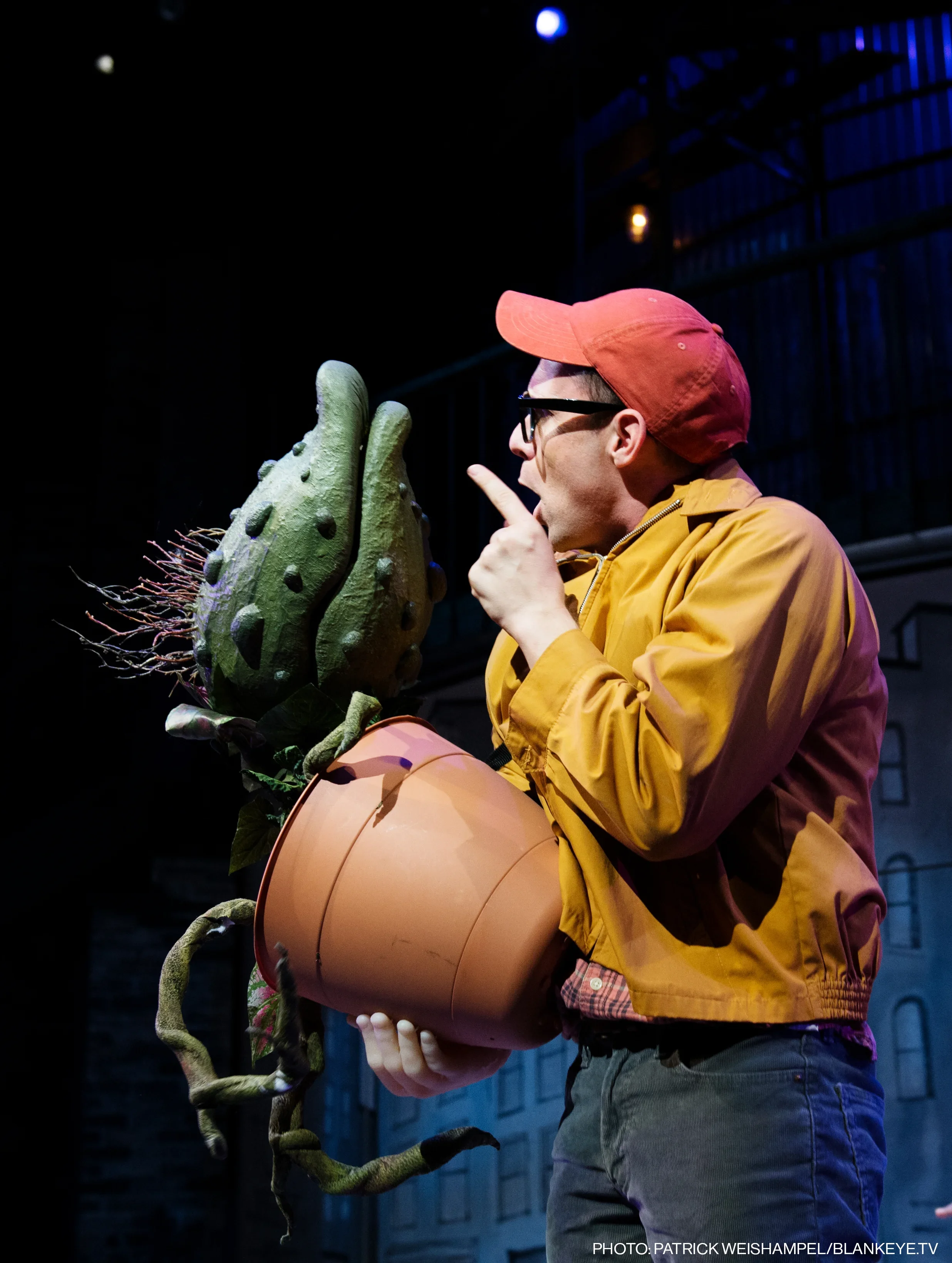
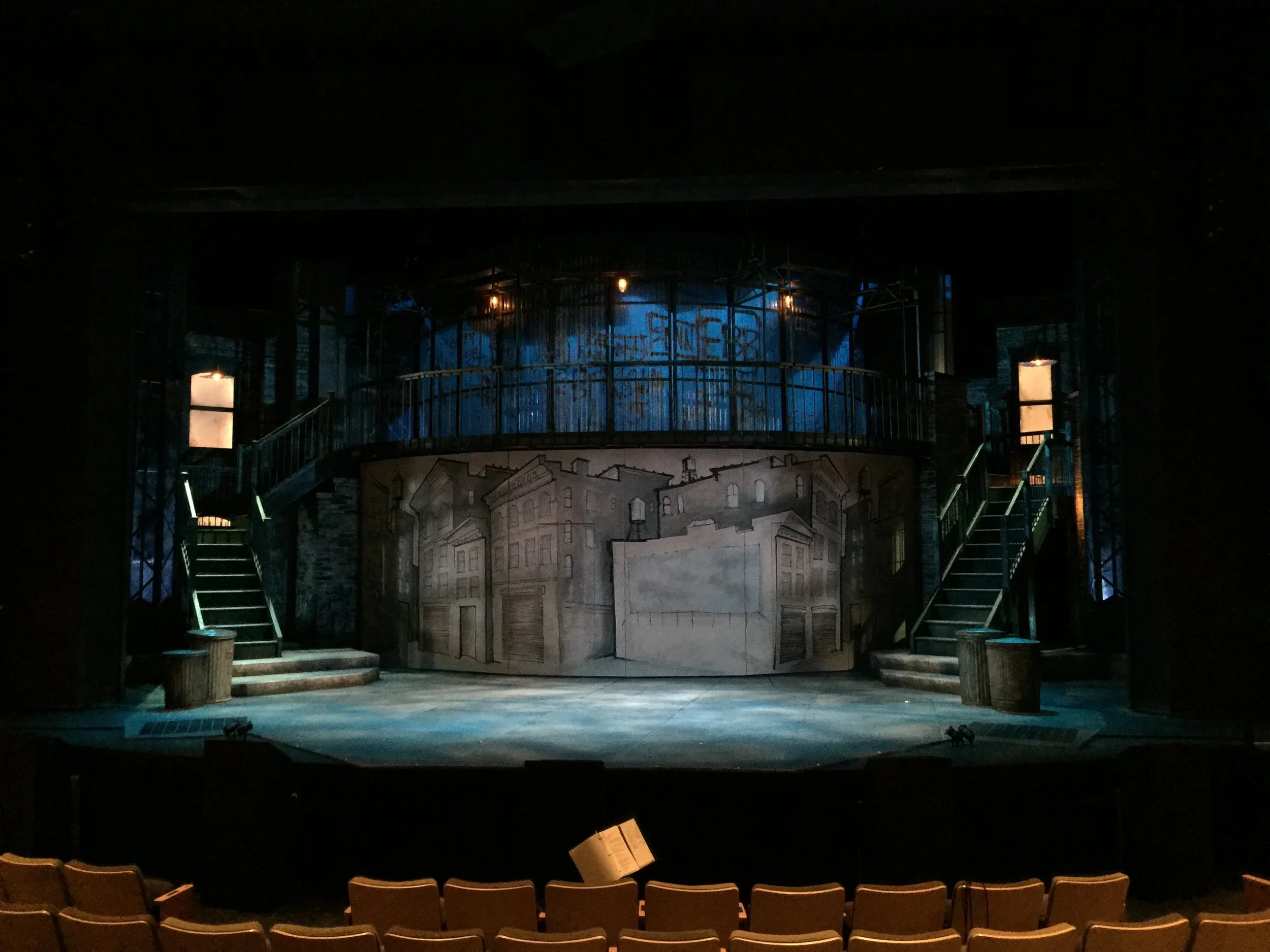
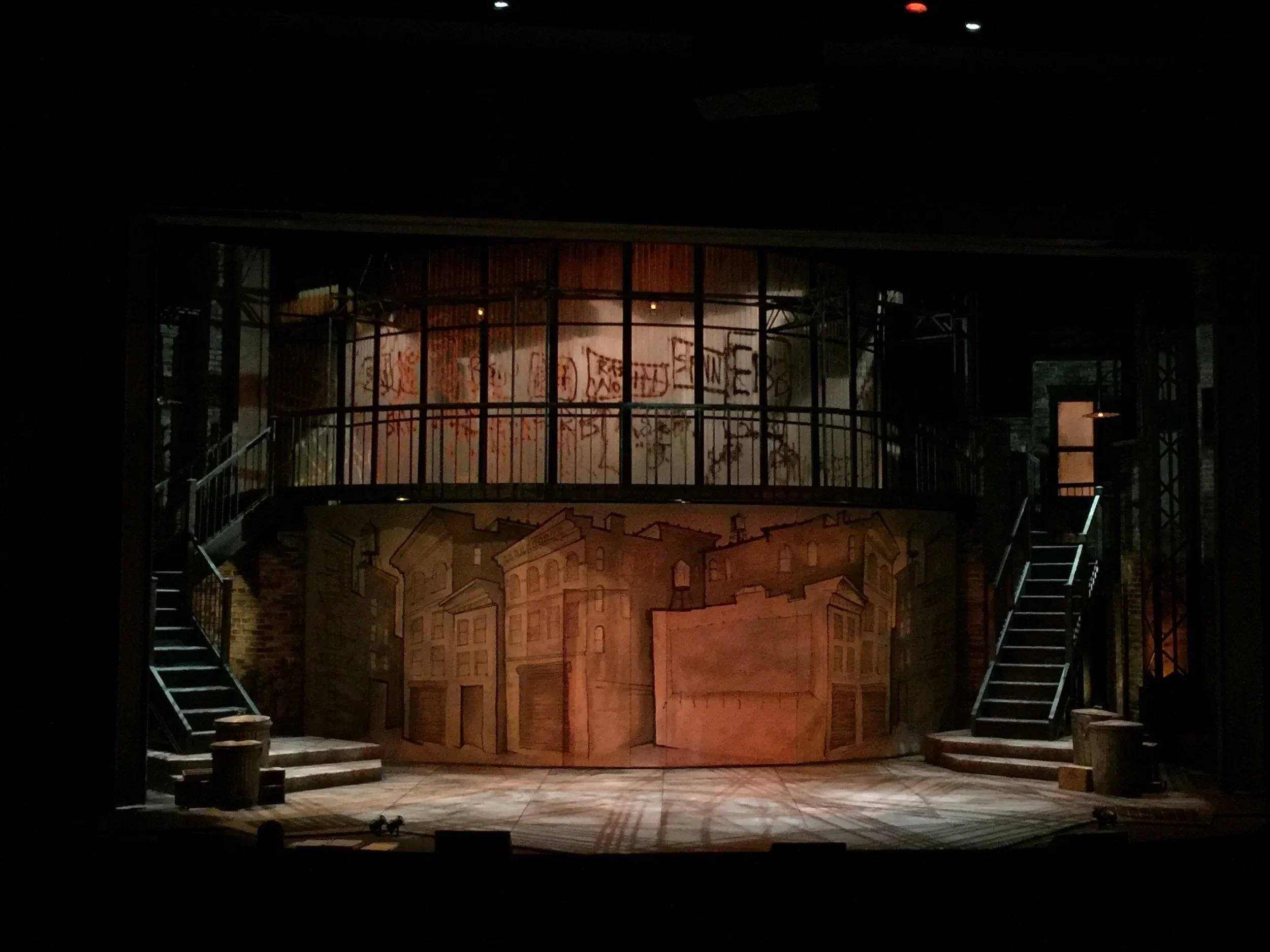
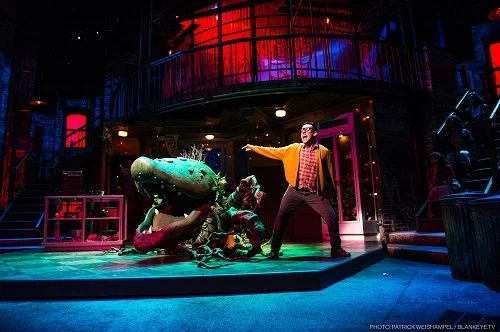
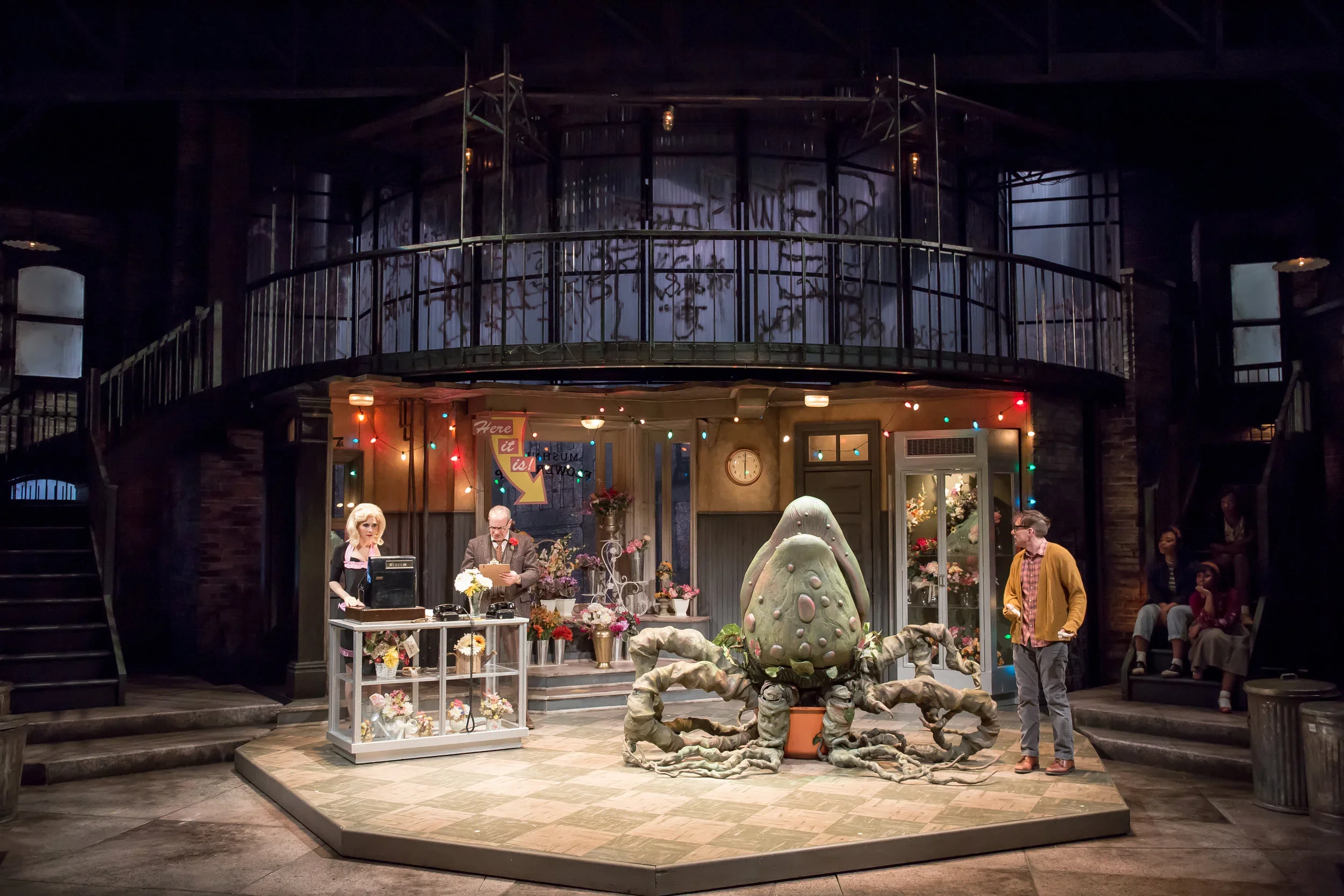
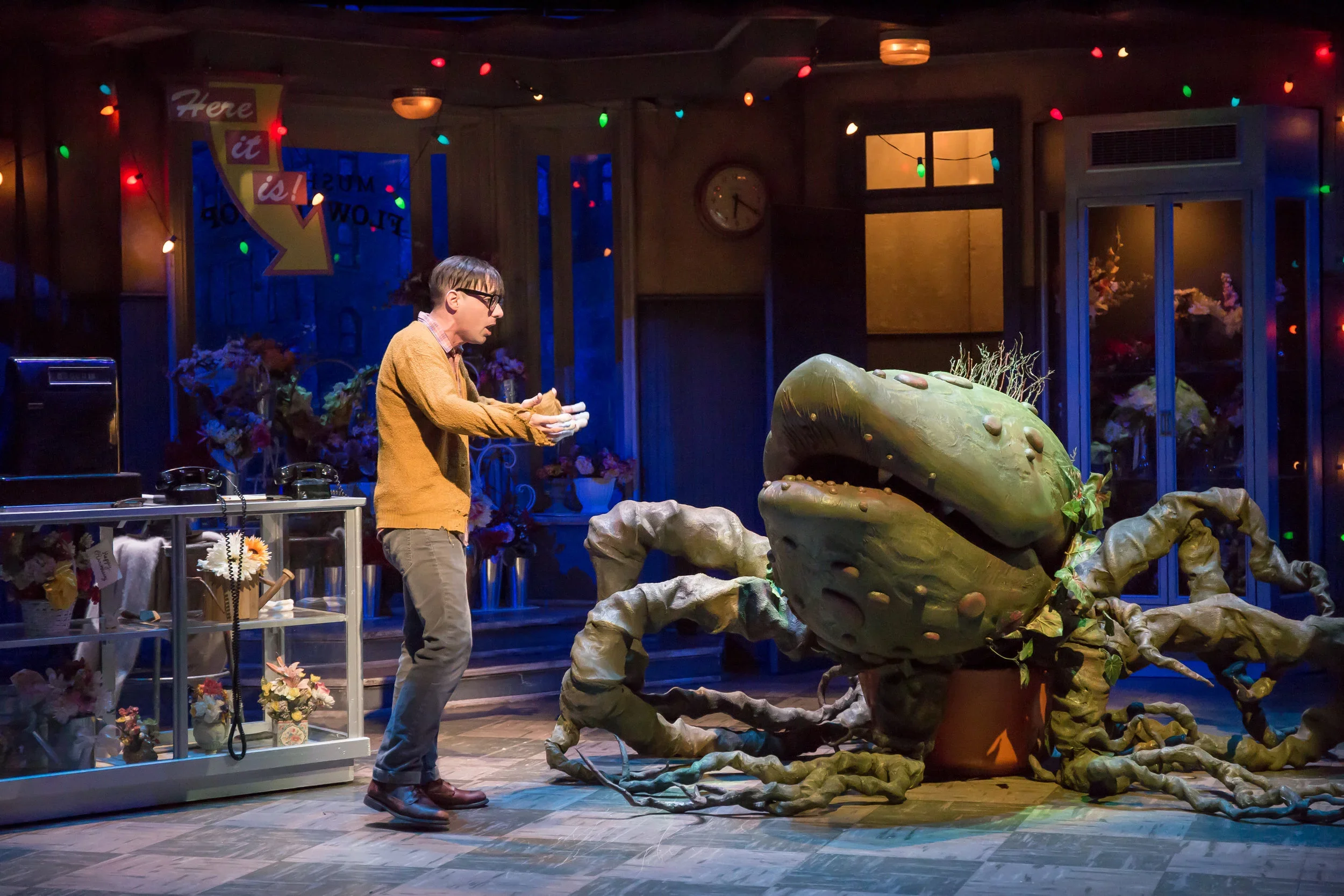
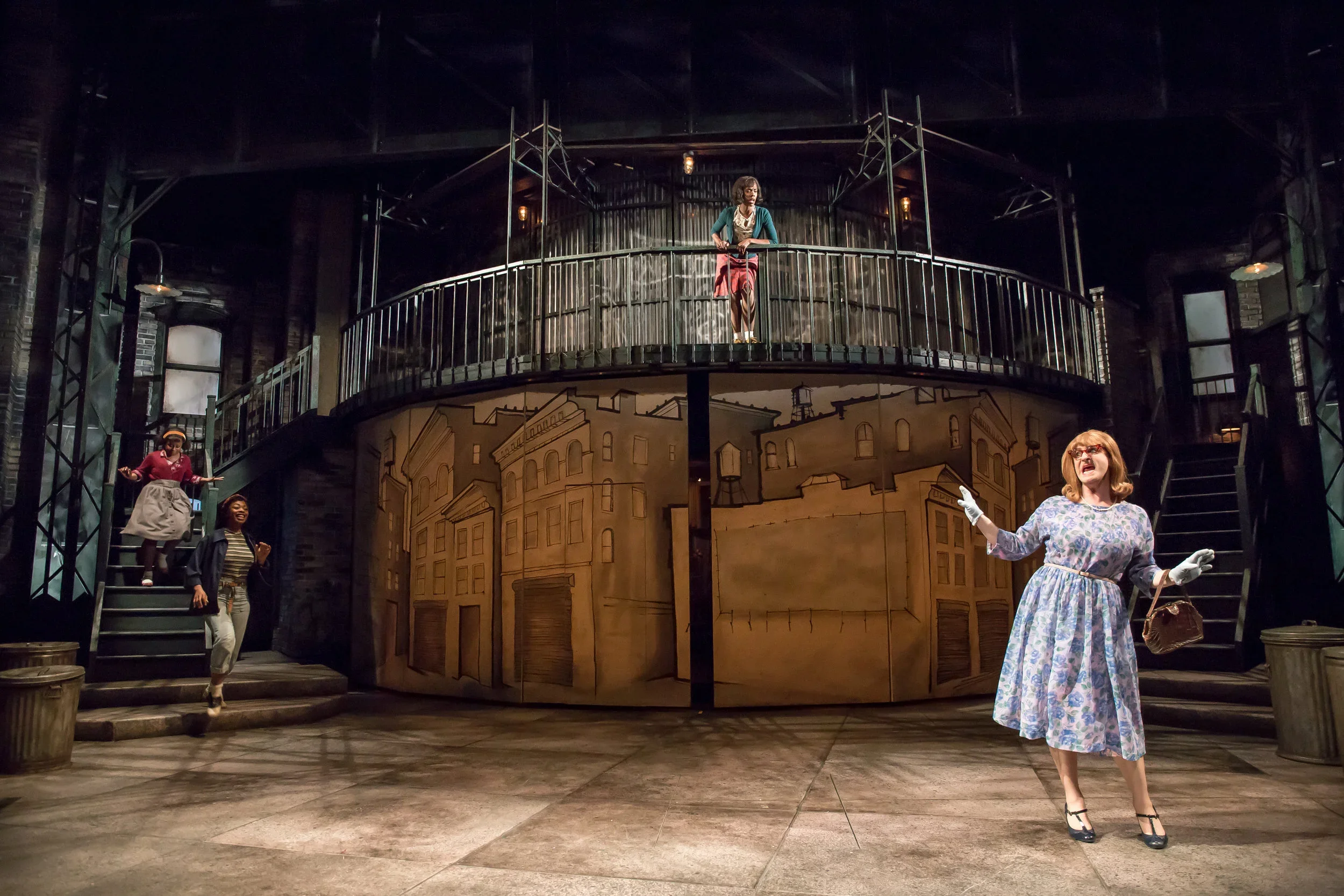
Cincinnati Playhouse in the ParkDirected by Bill Fennelly
Music Direction by Steve Goers
Choreography by Kent Zimmerman
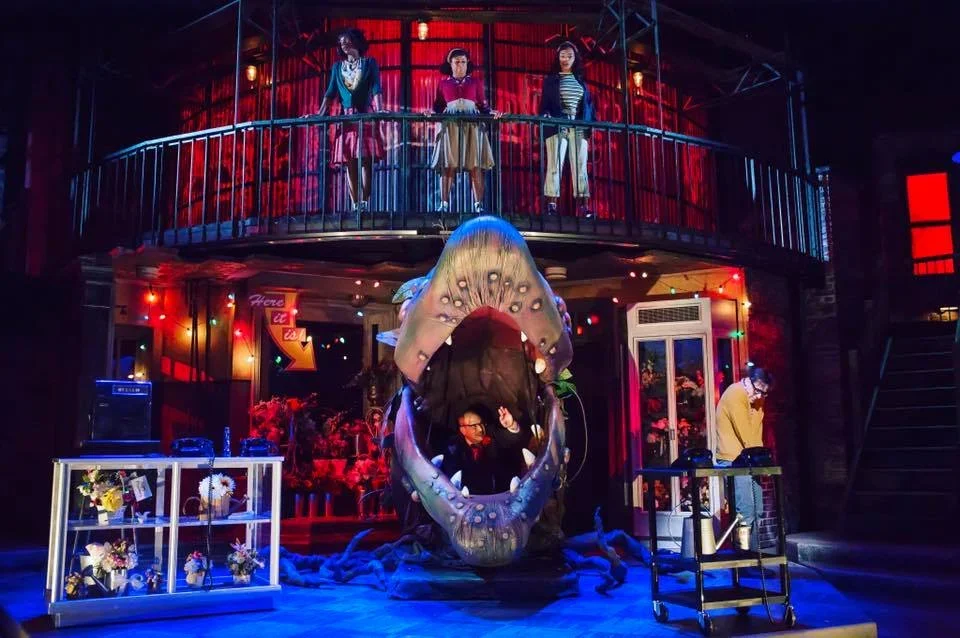
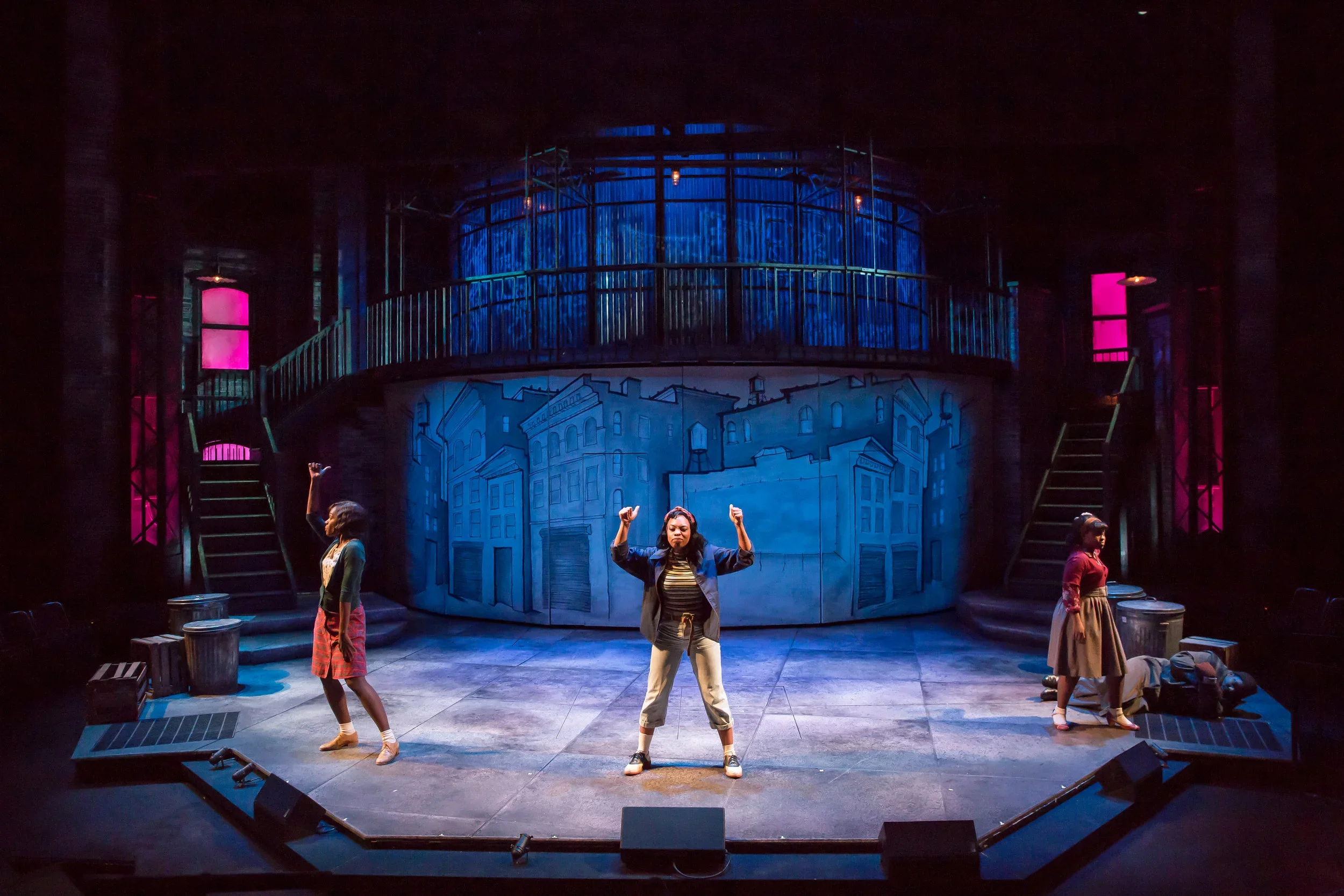
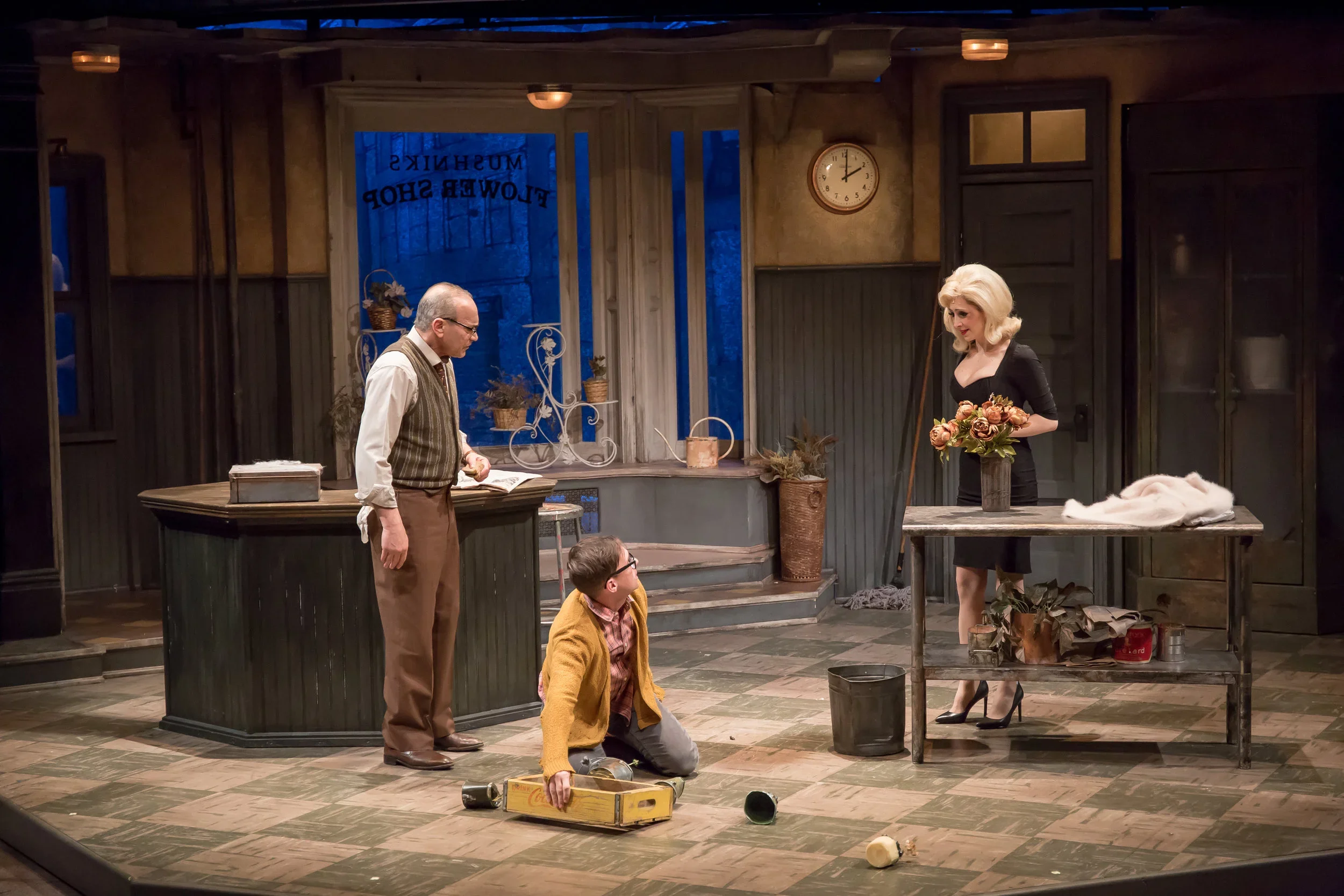
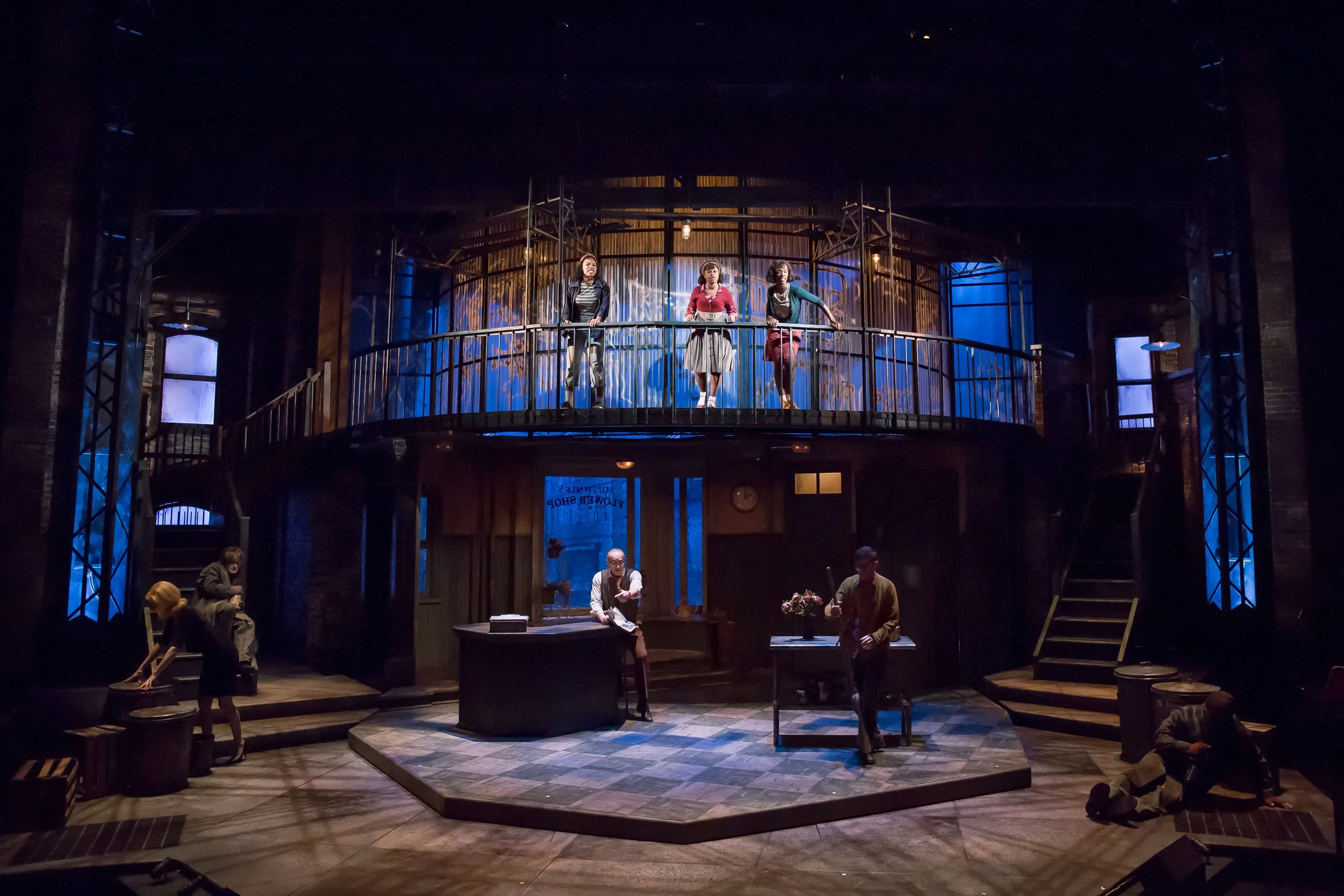
Scenic Design by Michael Schweikardt
Costume Design by Kathleen Geldard
Lighting Design by William Kirkham
Portland Center StageDirected by Bill Fennelly
Music Direction by Rick Lewis
Choreography by Kent Zimmerman
Scenic Design by Michael Schweikardt
Costume Design by Kathleen Geldard
Lighting Design by William Kirkham
A Note from BillWhen Artistic Directors Chris Coleman and Blake Robison invited me to helm this co-production, I started looking at what had happened to Little Shop since its initial run at the Orpheum Theatre. I remembered seeing the TV commercial for the original Off-Broadway production as a kid, and being both terrified and titillated. It was scary, sexy, and funny, and I loved it.
Over the years, I had watched the show evolve from an edgy offering into something much more mainstream and, dare I say, “cuter.” I wanted to return to the spirit of those early days, so we went back to the source: the darkness and wicked humor of Roger Corman’s film and the lurid B-movie world that inspired it. From there we built a fresh theatrical vocabulary for this new production.
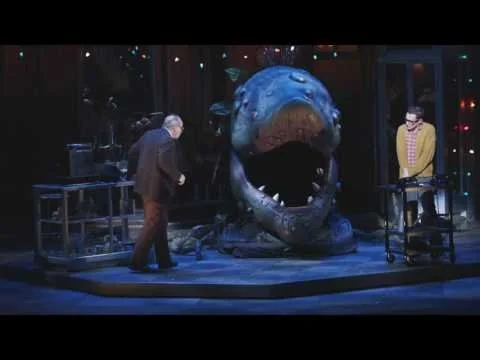
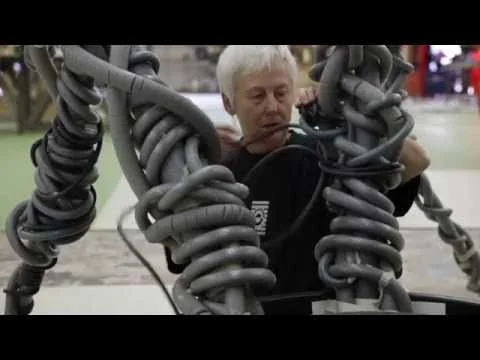
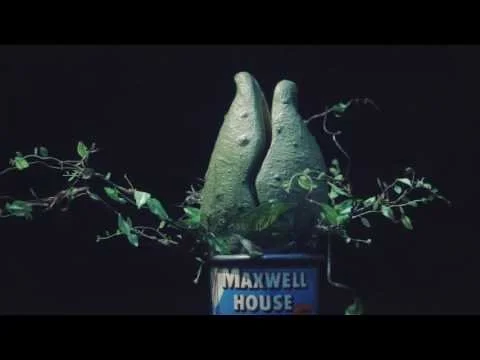
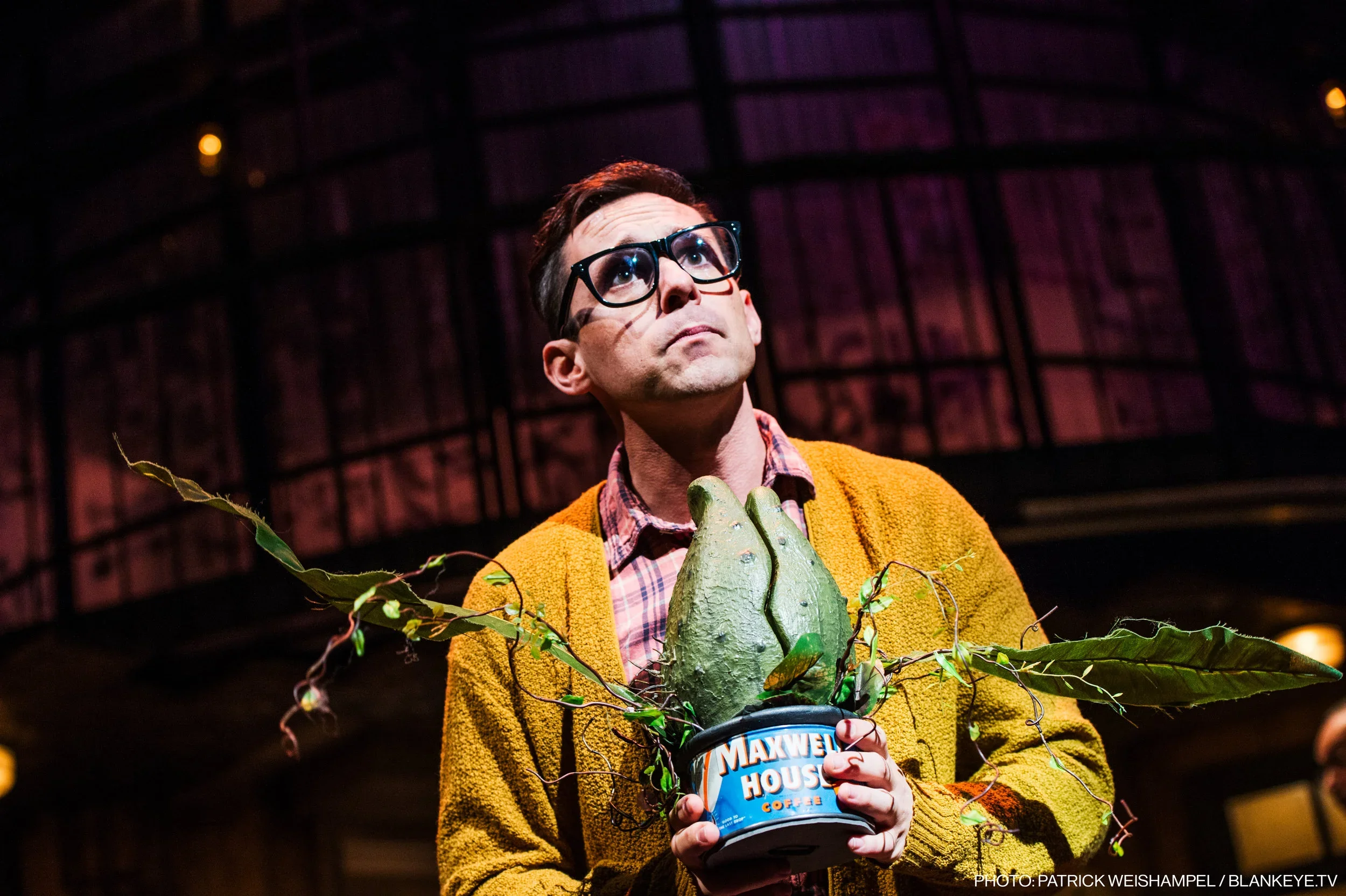
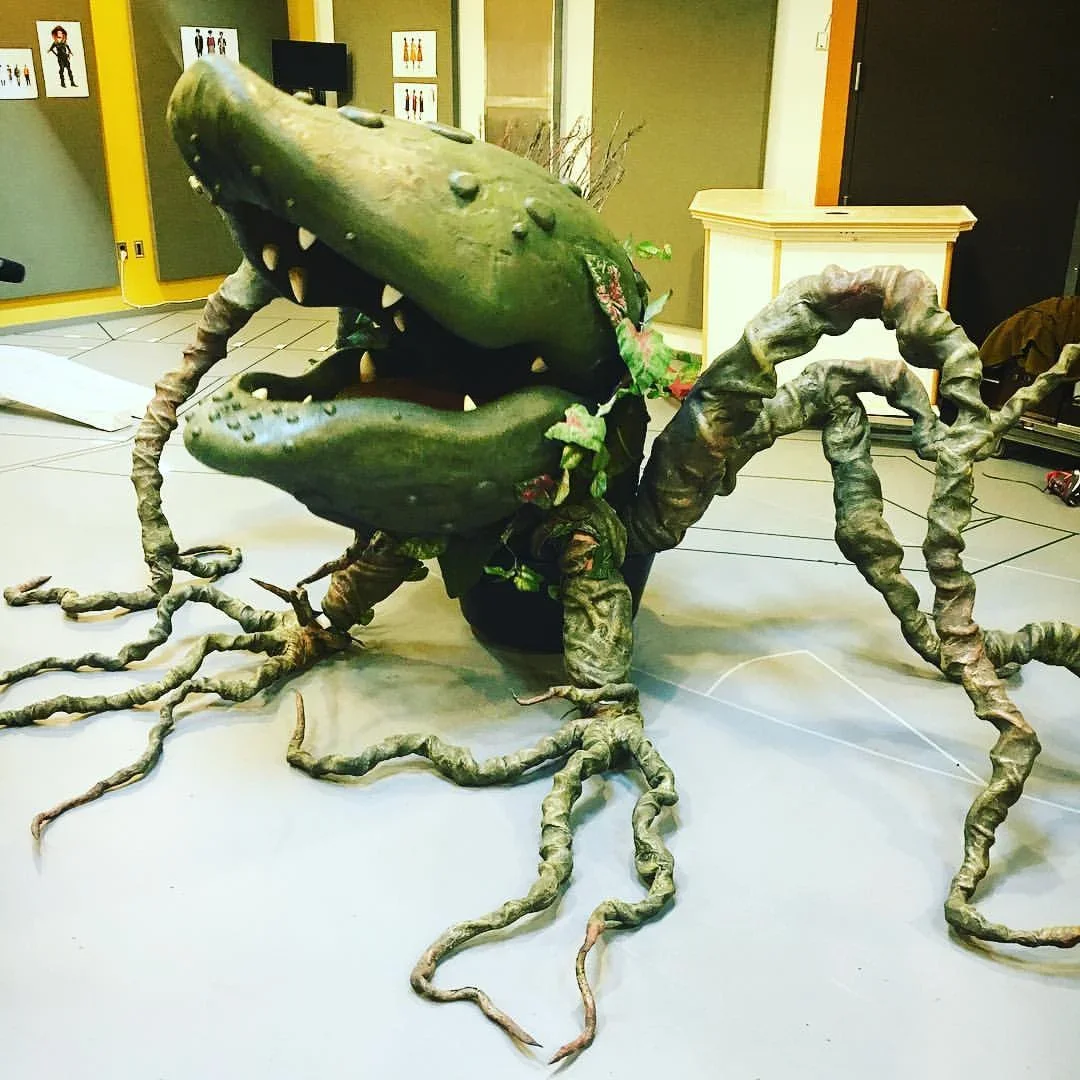
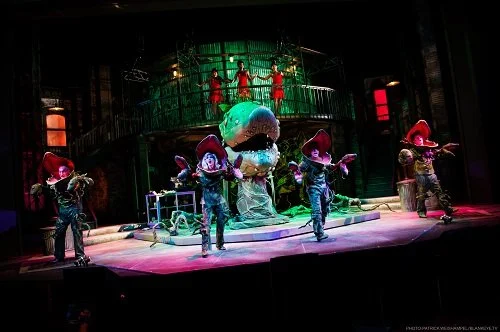
The partnership between Portland and Cincinnati gave us the incredible chance to create an entirely new family of menacingly delightful Audrey II puppets and to lean into the story’s uneasy collision of comedy, horror, desire, and the price of getting what you want.
The co-production straddled the 2016 election, a moment that shifted the ground under so many of us. It became unfortunately timely to explore the charismatic pull of a grotesque power and its devastating implications.
Above all, I wanted the production to honor everything audiences love about Little Shop while letting its darker undercurrents stay genuinely dangerous: a quintessentially American morality play about power and its corrupting potential as one reaches toward the American Dream.
For me, returning to a classic is never about reinvention for its own sake. It is about listening closely to the original work, taking the temperature of the current moment, and finding the theatrical language that allows its essential story to feel immediate, surprising, and alive again.
And for this reinvention, we went right back to the show’s roots. (Sorry, I couldn’t resist.)