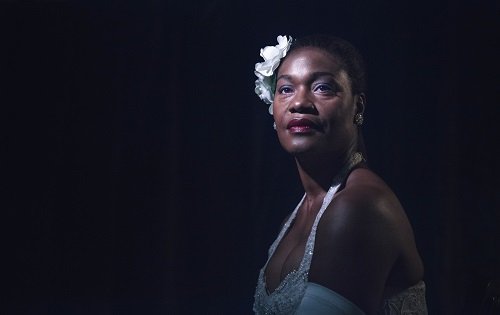
Lady Day
at Emerson's Bar and GrillWritten by Lanie Robertson
Actors Theatre of Louisville & Portland Center STage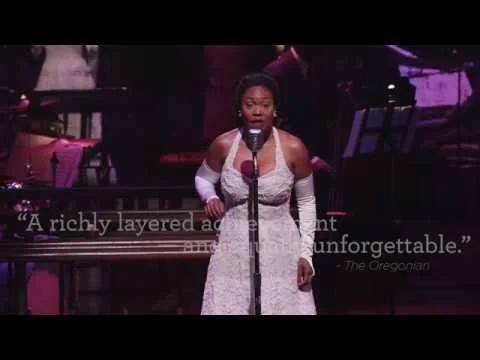
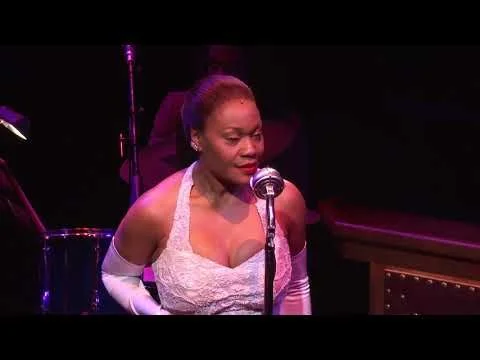
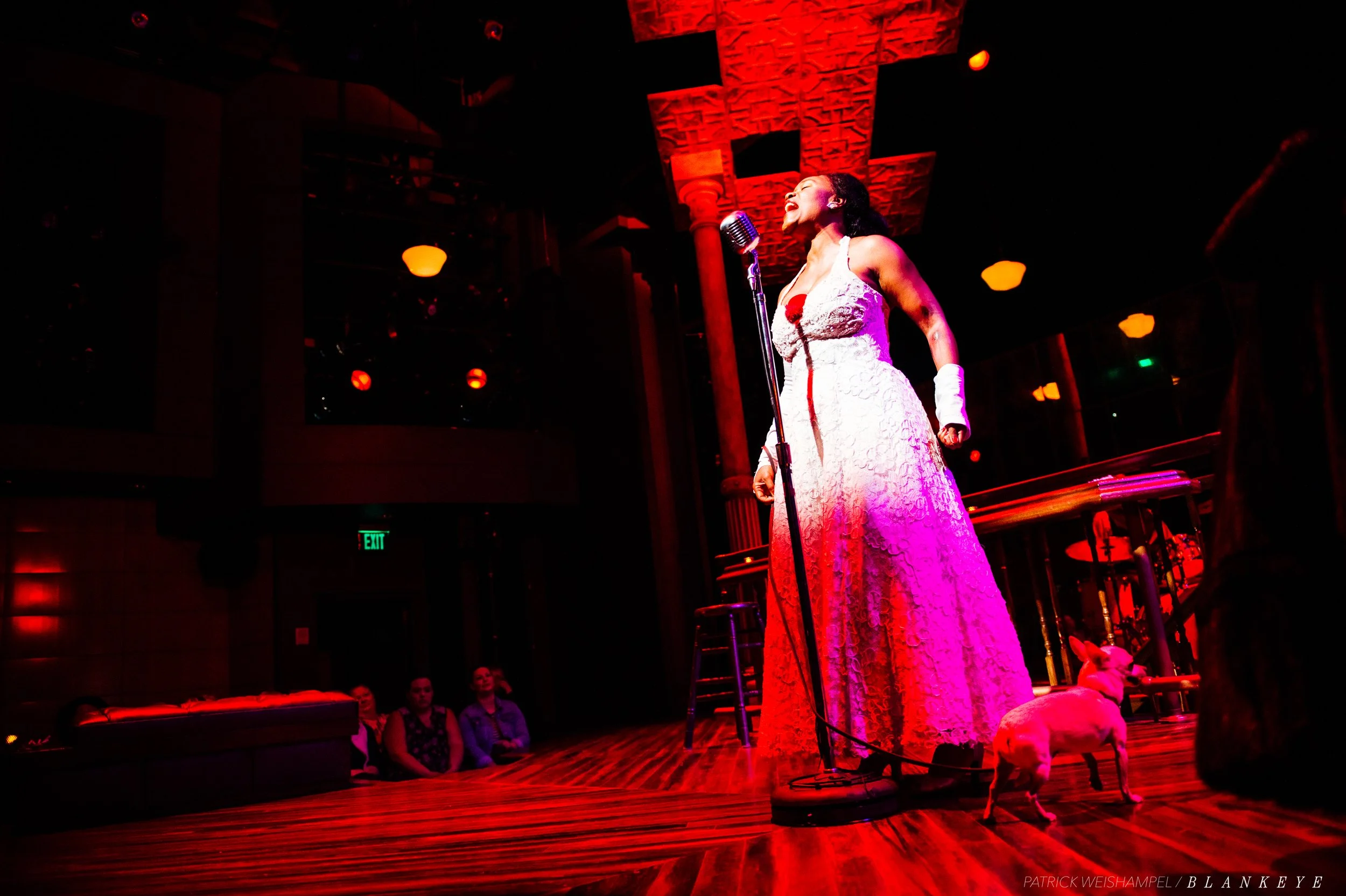
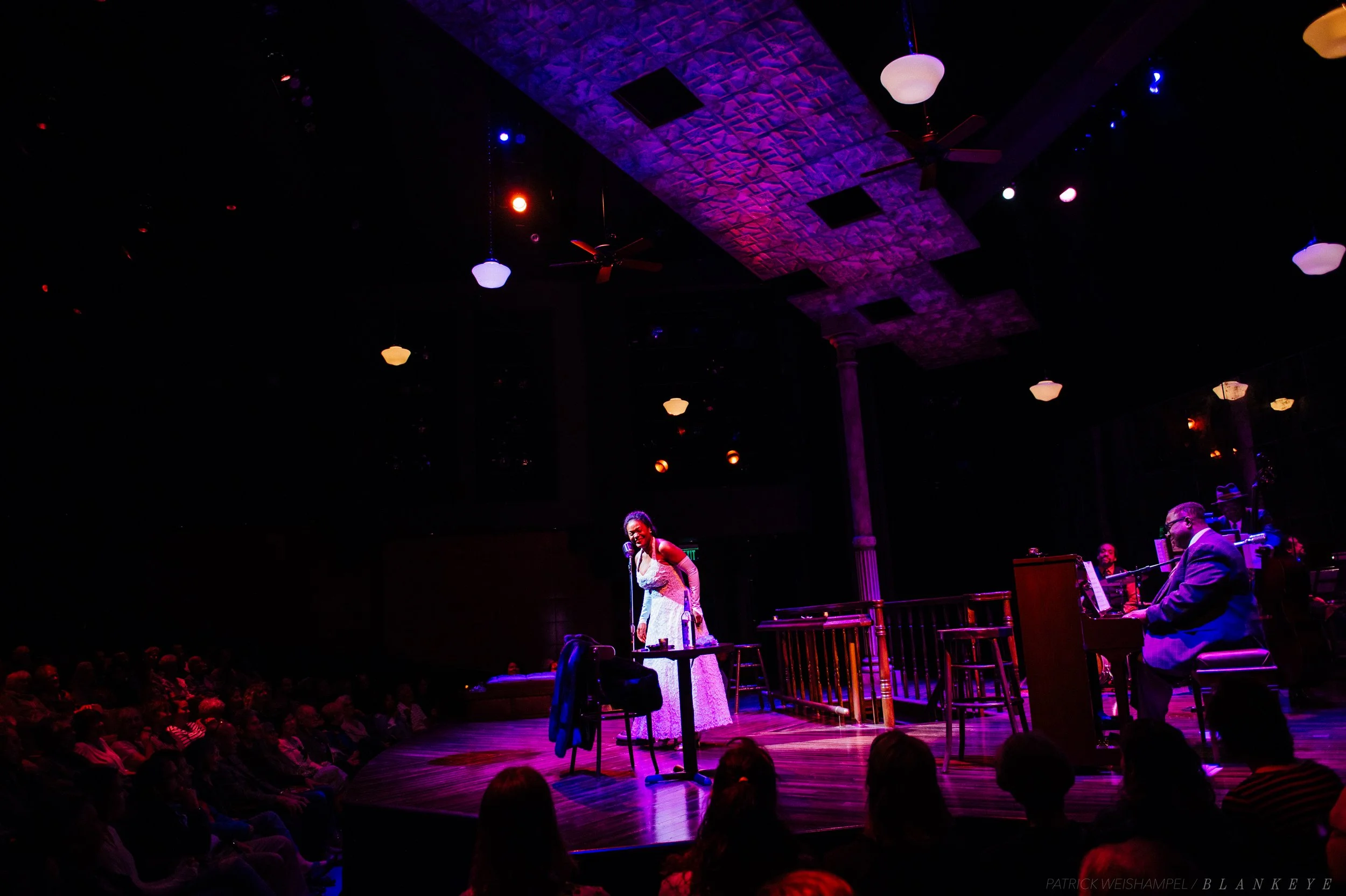
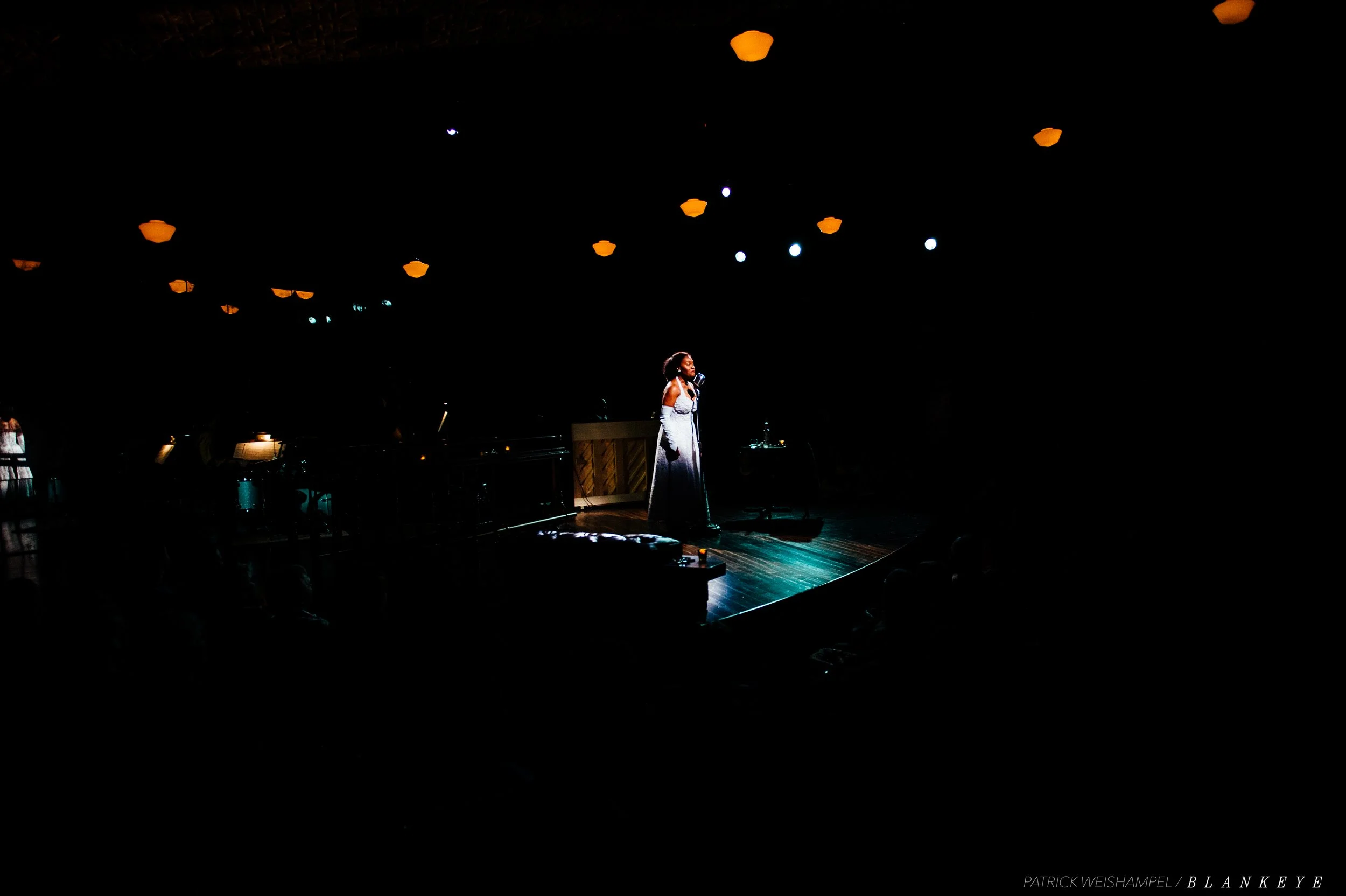
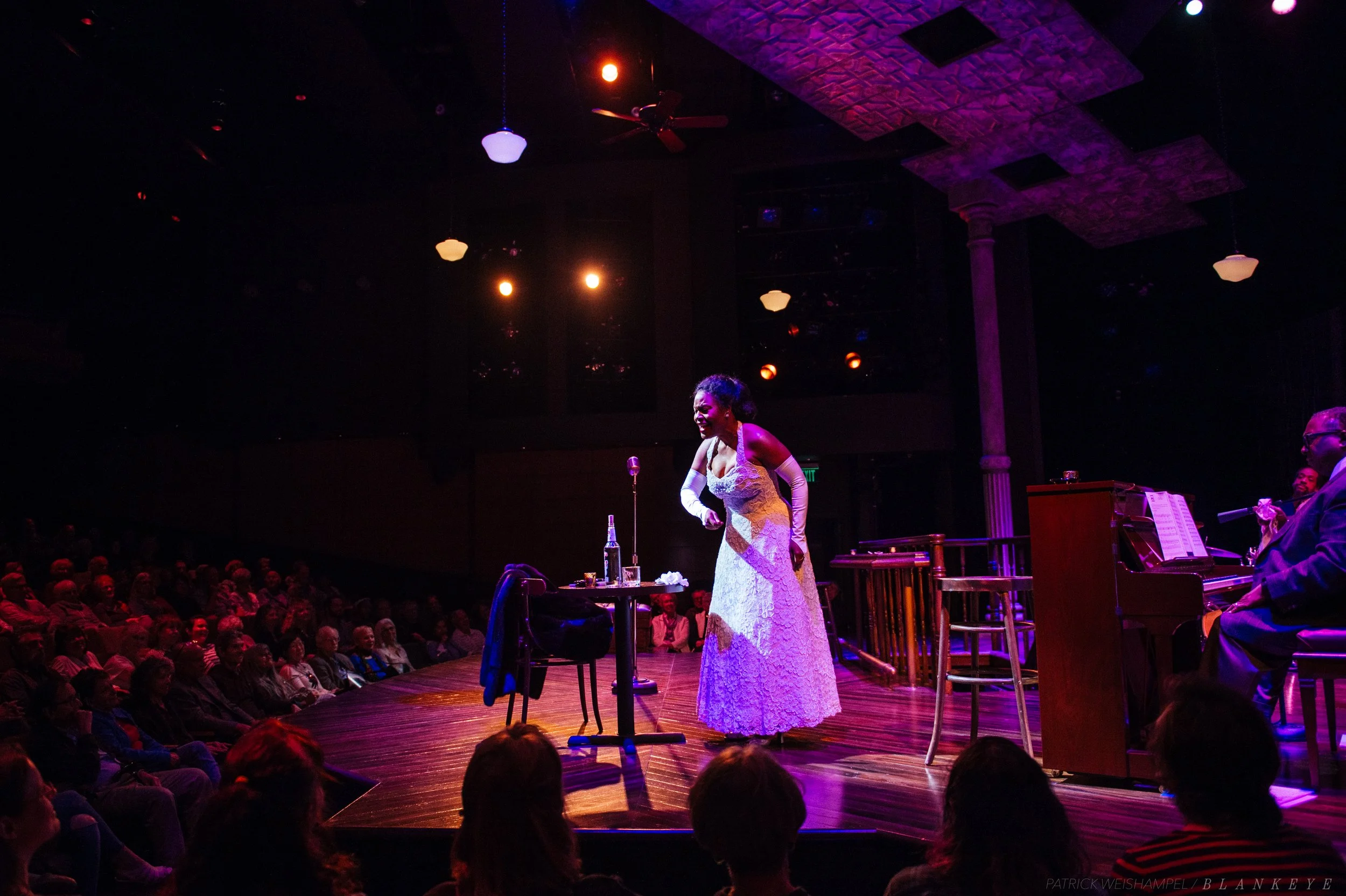
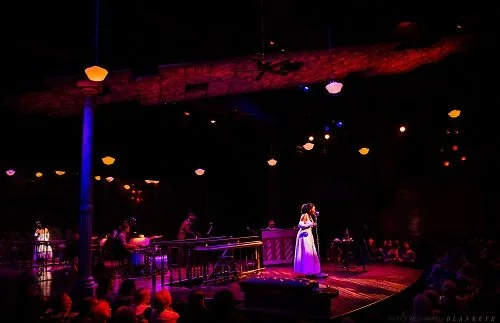
Actors Theatre of LouisvilleDirected by Bill Fennelly
Music Direction by Abdul Hamid Royal
Scenic Design by Michael Schweikardt
Costume Design by Raquel Barreto
Lighting Design by Paul Toben
Sound Design by Nick Kourtides
Starring Deidrie Henry
Portland Center Stage Directed by Bill Fennelly
Music Direction by Abdul Hamid Royal
Scenic Design by Michael Schweikardt
Costume Design by Raquel Barreto
Lighting Design by Paul Toben
Sound Design by Nick Kourtides
Starring Deidrie Henry
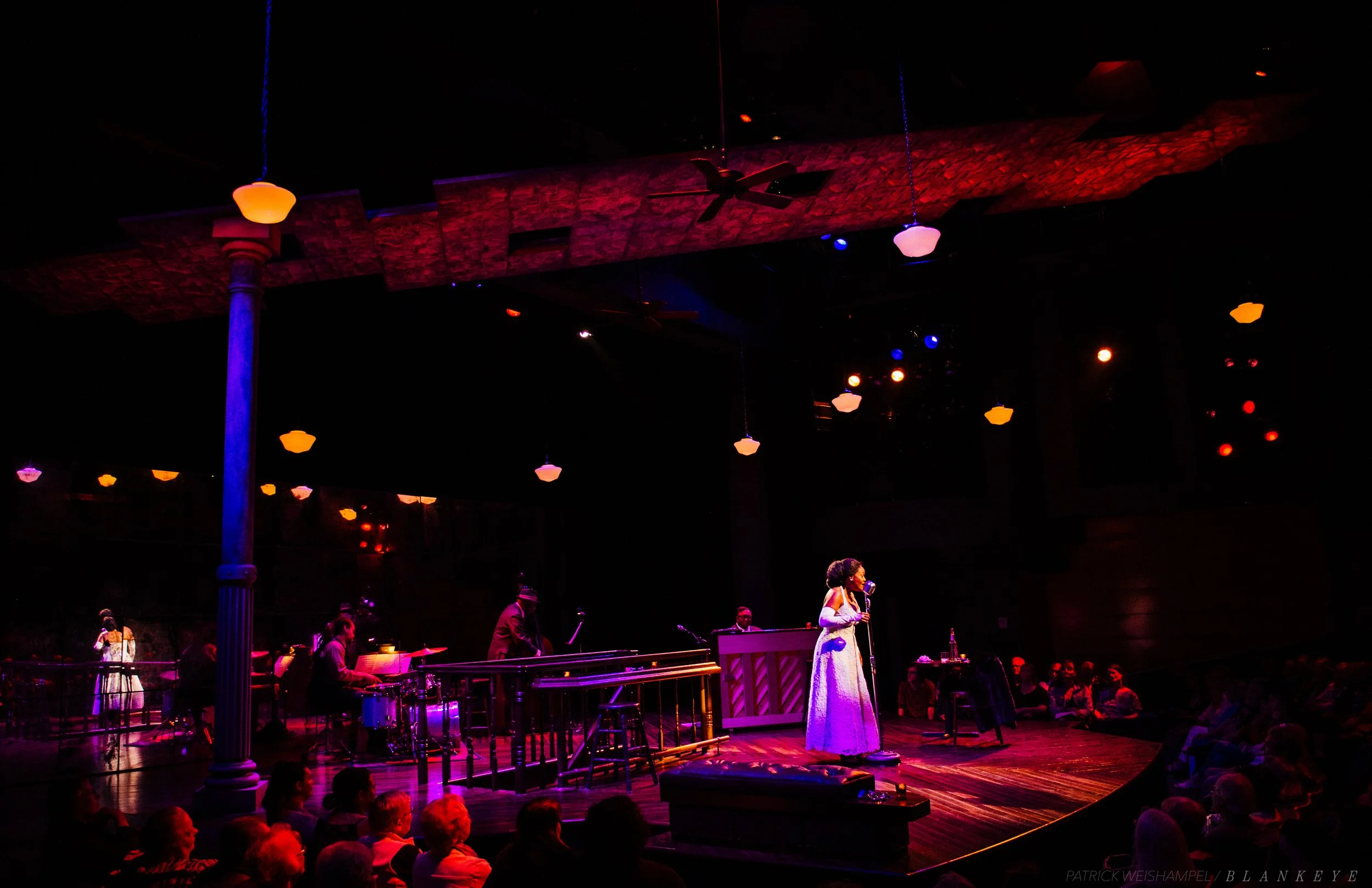
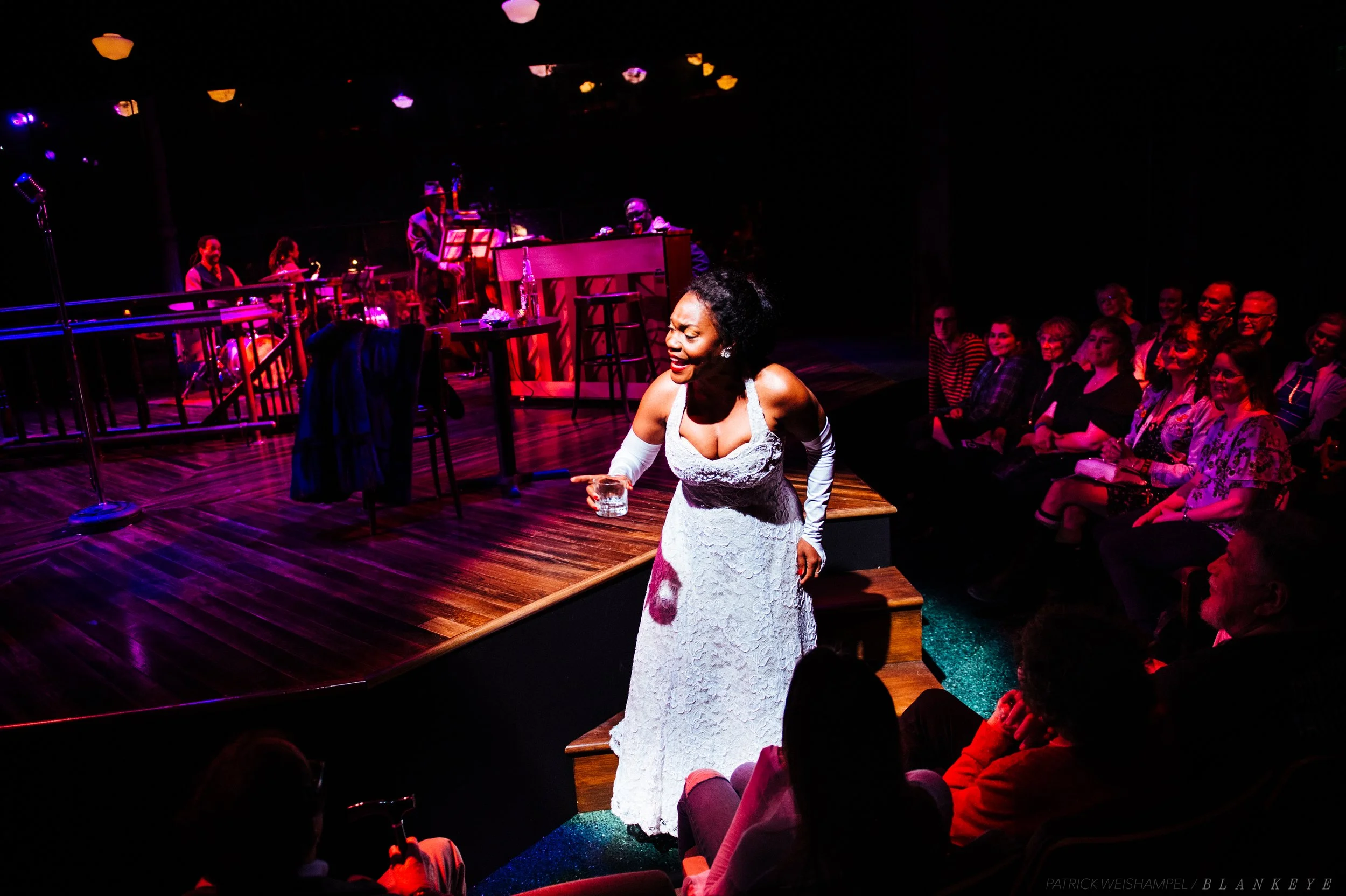
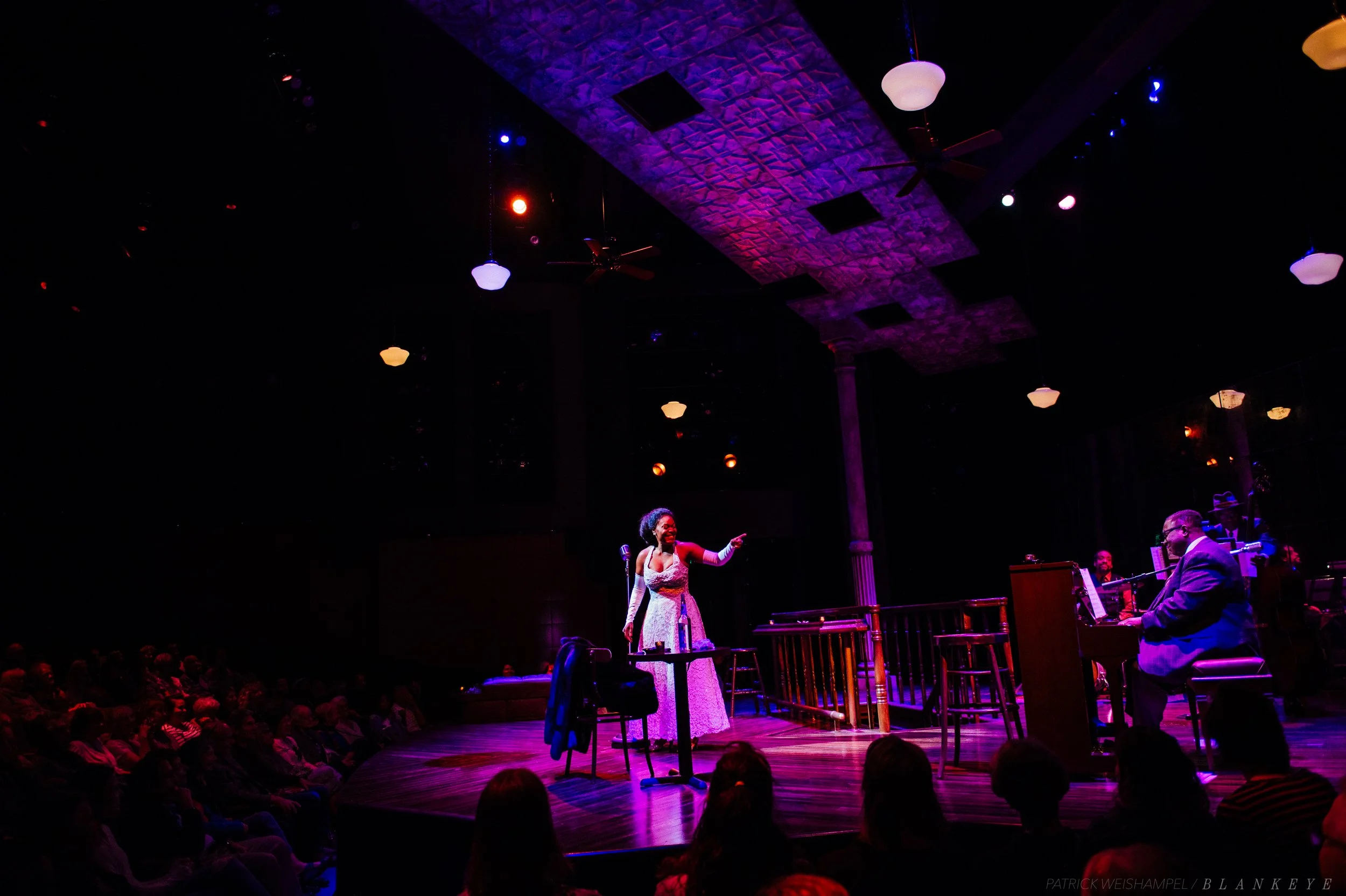
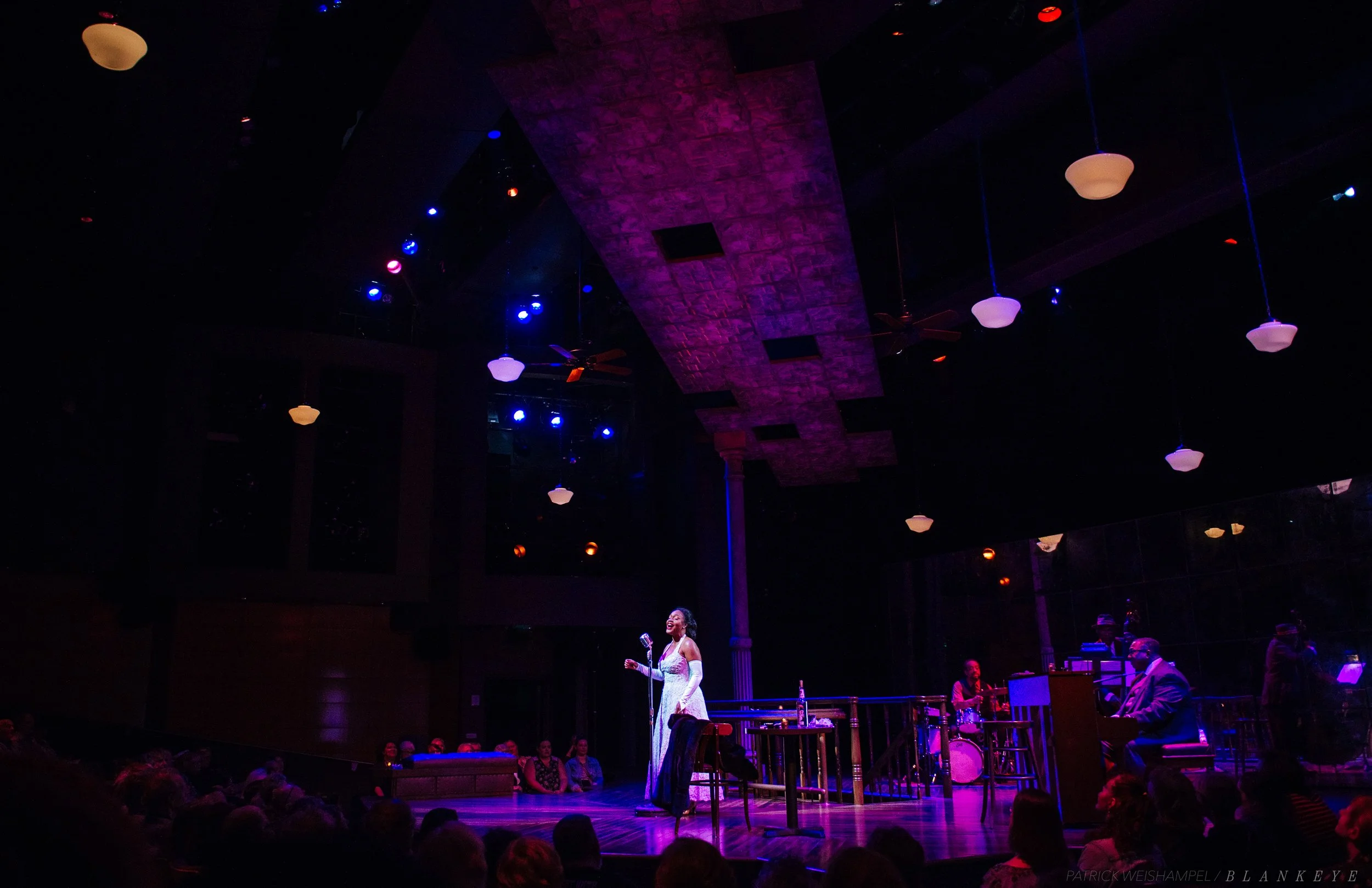
A Note from BillLady Day at Emerson’s Bar and Grill was a haunting exploration of history, race, gender, music, and memory across two very different productions.
I was first invited by Les Waters, then Artistic Director of Actors Theatre of Louisville, to create a new production of the play in the round. There I was reunited with my longtime collaborator and friend Deidrie Henry and began an important collaboration with music director Abdul Hamid Royal.
In the round, audiences could see one another across the space as Deidrie took us on Billie’s descent into oblivion. We were determined to keep that shared experience when we reimagined the production for Portland Center Stage. In Portland’s three-quarter configuration, we added a back wall that was a giant mirror, so the audience saw themselves reflected throughout the performance: they couldn’t hide from the story or from themselves.
What fascinated me most was the collision between Billie Holiday’s extraordinary artistic freedom and the brutal limitations imposed on her by race and gender in America: what was possible for her, and what was made impossible. Working with Deidrie, I was moved night after night by the way history, music, and lived experience traveled through her voice, reaching directly into the present.
At the end of the Portland production, through the brilliance of scenic designer Michael Schweikardt, the mirror shifted imperceptibly, so that the image fading into blackness was Billie, reflected into infinity. Her life, her image, and her music were carried forward, for us to hold.
For me, Lady Day became more than a portrait of a singular artist. It became a way of reflecting America back at itself, asking us to consider who we are, what we remember, what we have inherited, and where we might still choose to go. Questions we should never stop asking ourselves.